
Online Weight Loss Clinic
Pharmulous is a trusted online weight loss clinic offering clinician-reviewed consultations and prescription weight loss treatments - all from the comfort of home. Whether you’ve tried dieting before or you’re exploring medical support for the first time, our UK-registered clinicians are here to help you find a plan that works for you.
Calorie Deficit
The foundation of weight loss lies in achieving a calorie deficit. This simply means that you are burning more calories than you are consuming. To maintain your current weight, your body needs a certain amount of energy, called your Total Daily Energy Expenditure (TDEE). This includes the energy required for basic functions like breathing, digestion, and physical activity.
To lose weight, you need to create a calorie deficit, typically by either reducing your calorie intake, increasing your calorie expenditure through exercise, or ideally, a combination of both. A common approach is to aim for a 500-1,000 calorie deficit per day, which can lead to losing 1 to 2 pounds per week, a safe and sustainable rate.
However, it’s important not to go too low in calories. Severely restricting your intake can slow your metabolism, cause nutrient deficiencies, and even result in muscle loss. Focus on a moderate, manageable deficit to ensure long-term success.
Protein Intake
When you’re in a calorie deficit, your body begins to burn fat for energy, but it can also break down muscle if adequate protein isn’t consumed. Protein is crucial for preserving muscle mass while losing fat. Additionally, protein promotes satiety, helping you feel fuller for longer, which can reduce the likelihood of overeating.
A general recommendation for protein intake is 1.6 to 2.2 grams per kilogram of body weight (or 0.7 to 1 gram per pound). For example, a person weighing 150 pounds should aim for about 105 to 150 grams of protein per day. Good sources of protein include lean meats, poultry, fish, eggs, dairy, beans, legumes, and plant-based options like tofu and tempeh.
By prioritising protein, you ensure that your body retains lean muscle mass, which is essential for maintaining a higher metabolism and for overall weight loss success.
Water Intake
Water is often overlooked but plays a crucial role in weight loss. It is essential for the proper functioning of every system in the body, including digestion, metabolism, and nutrient absorption. Sometimes, feelings of hunger can actually be signs of dehydration. Drinking water before meals can help curb unnecessary snacking and promote satiety.
The general guideline is to consume about 8 cups of water per day, but individual needs may vary depending on factors like activity level, climate, and personal health. Including water-rich foods such as fruits and vegetables (e.g., watermelon, cucumbers) can further contribute to hydration. Staying hydrated is especially important if you’re exercising, as dehydration can impair physical performance and recovery.
Incorporating proper hydration into your daily routine can also help prevent overeating and ensure your body operates at its best as you work toward your weight loss goals.
Exercise
Exercise is another vital aspect of any weight loss plan. While creating a calorie deficit through diet is essential, exercise helps increase the number of calories you burn and is crucial for preserving muscle mass. Both cardiovascular exercise (cardio) and strength training are beneficial.
- Cardiovascular exercise (running, walking, cycling, swimming, etc.) helps burn calories quickly and is excellent for improving heart health. Incorporating at least 150 minutes of moderate-intensity cardio per week can aid in fat loss and support overall weight loss goals.
- Strength training (lifting weights, resistance band exercises, bodyweight exercises) helps build and maintain lean muscle mass. Muscle burns more calories at rest than fat, so strength training can help increase your metabolism and maintain a toned physique. Aim for strength training sessions 2-3 times per week.
Combining both forms of exercise will help maximise calorie burn while preserving muscle, improving strength, and promoting overall health.
Weight loss treatments from Pharmulous
For some people, lifestyle changes alone are not enough to achieve meaningful weight loss - particularly where excess weight is linked to underlying health conditions or metabolic factors outside of your control. Prescription weight loss medications can provide the additional support needed to make real, lasting progress.
The most clinically effective weight loss medications currently available belong to a class known as GLP-1 (glucagon-like peptide-1) receptor agonists. These treatments work by mimicking a hormone your body produces naturally after eating. They reduce appetite, slow the rate at which the stomach empties, and help you feel full for longer - making it easier to eat less without feeling constantly hungry. Some newer medications also target additional hormonal pathways, producing even greater results.
Medications
In addition to lifestyle changes, some individuals may benefit from weight loss medications. These medications can aid in weight loss when used in conjunction with a healthy diet and regular exercise. Three of the most commonly prescribed medications for weight loss are Orlistat, Wegovy, and Mounjaro.
Mounjaro
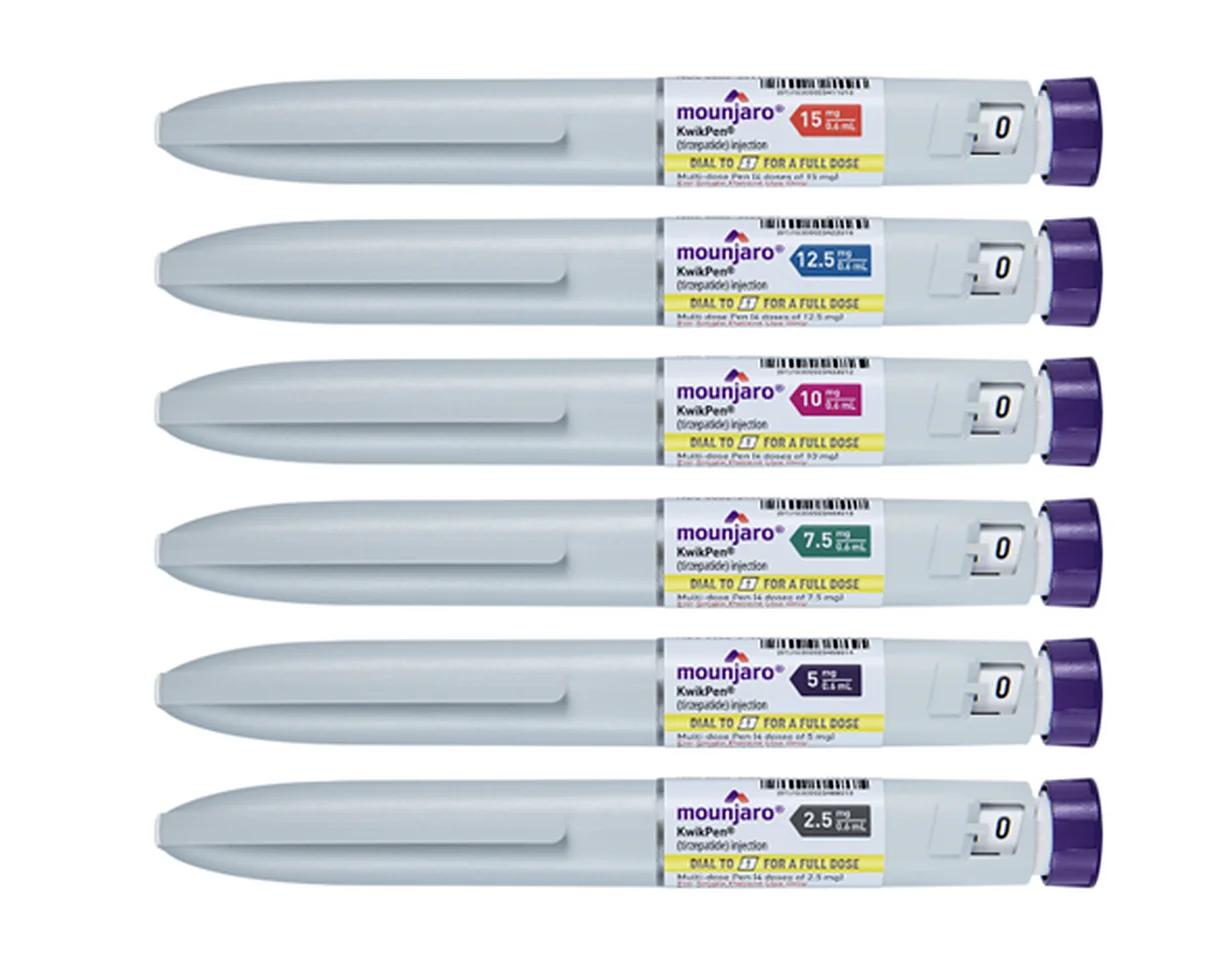
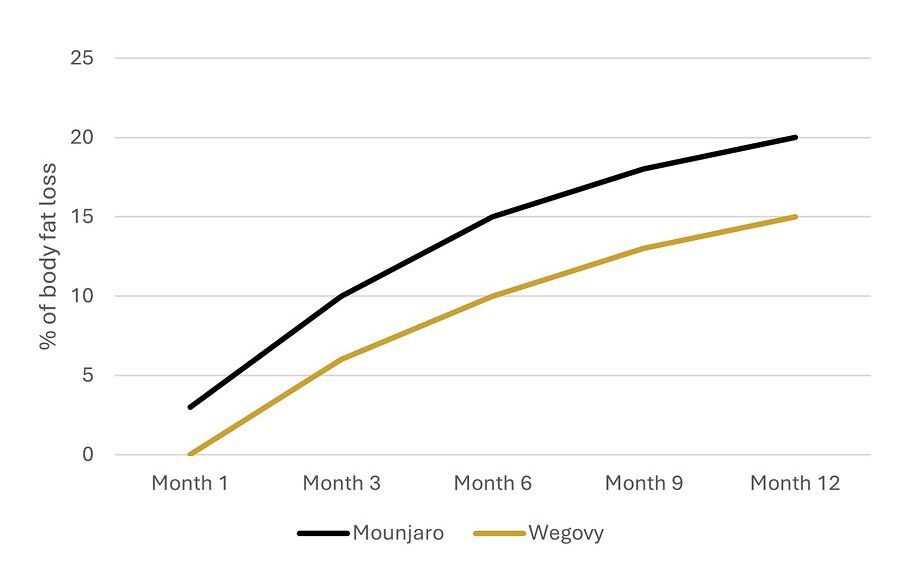
Mounjaro is another injectable medication, which contains tirazepatide that works similarly to Wegovy but has a dual action. It stimulates both the GLP-1 receptor and the GIP (glucose-dependent insulinotropic peptide) receptor, which can enhance insulin sensitivity, reduce appetite, and promote weight loss. In clinical trials, Mounjaro has shown significant weight loss results, and like Wegovy, it’s used in combination with lifestyle changes. It is typically prescribed to individuals with a BMI of 30 or greater or 27 with comorbid conditions such as type 2 diabetes.
Wegovy Injection
Wegovy is an injectable prescription medication containing semaglutide that mimics the action of the GLP-1 hormone, which is involved in regulating appetite and glucose metabolism. By increasing feelings of fullness and reducing appetite, Wegovy helps individuals consume fewer calories. Studies have shown that Wegovy can lead to significant weight loss when used alongside a healthy diet and exercise plan. Common side effects include nausea and digestive issues, but these often subside over time. Wegovy is typically prescribed to individuals with a BMI of 30 or greater, or 27 or greater with weight-related health conditions.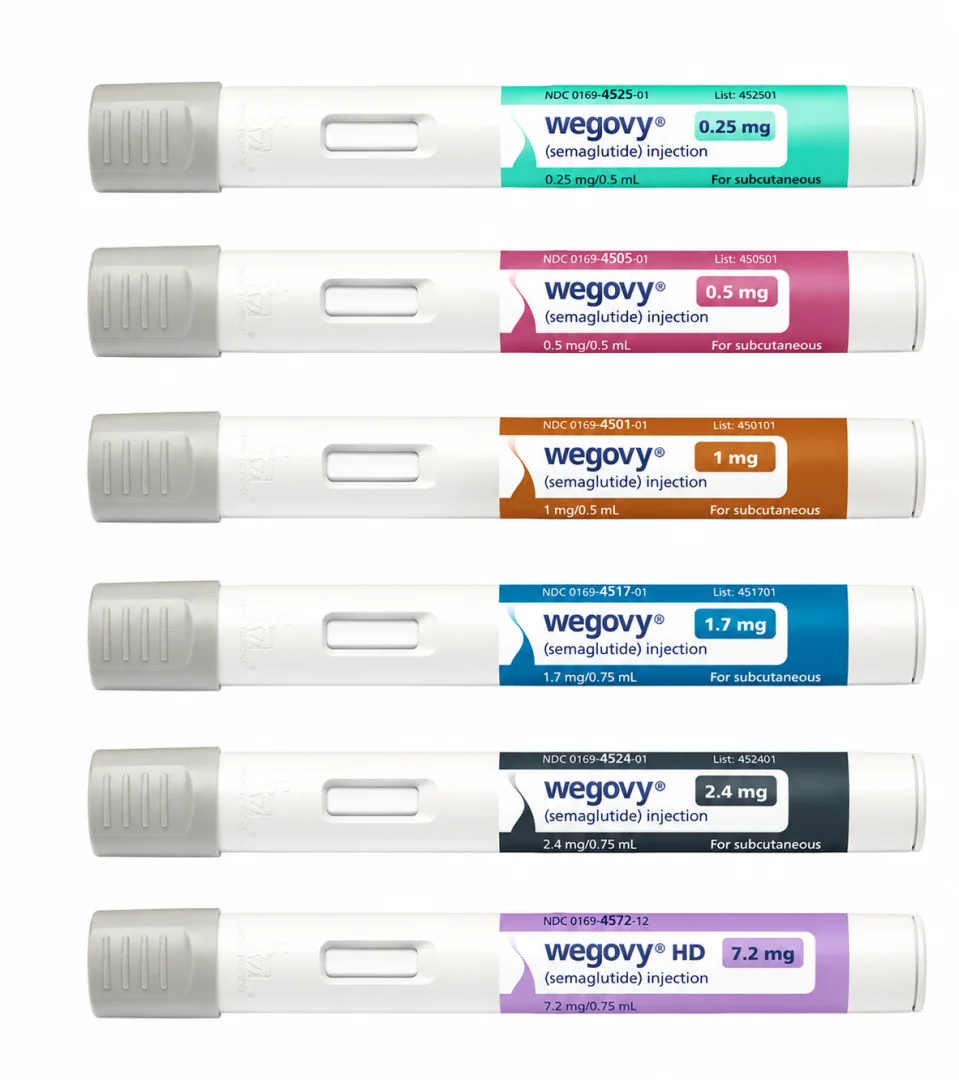
Wegovy Tablets
Wegovy tablets are a once-daily oral treatment option for eligible adults seeking support with weight loss and long-term weight management.
Through its action on appetite-regulating pathways in the brain, Wegovy tablets help reduce hunger, increase fullness and support healthier eating behaviours. Treatment is most effective when used alongside a reduced-calorie diet, increased physical activity and ongoing lifestyle support.
At Pharmulous, Wegovy tablets are provided as part of our GP-led weight management service, with personalised treatment plans, regular clinical reviews and ongoing support throughout your journey.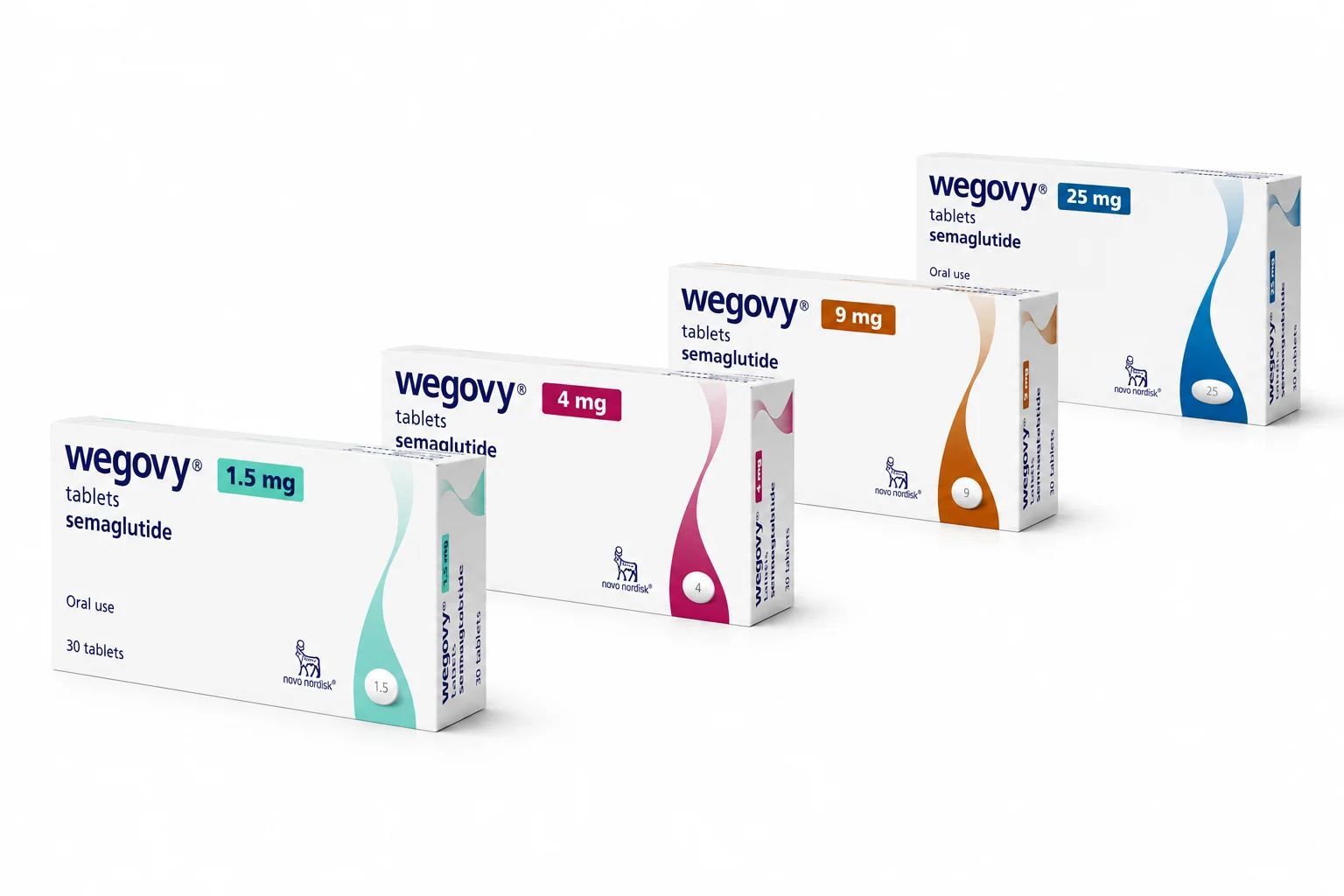
Orlistat
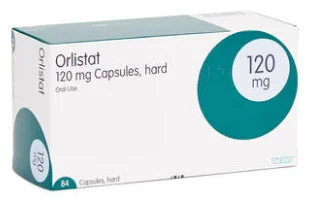
Orlistat is a medication that works by inhibiting the absorption of fat in the digestive system. It blocks the action of lipase, an enzyme that breaks down fat, preventing the body from absorbing about 25% of the fat from food. This can lead to modest weight loss when combined with a reduced-calorie diet. However, Orlistat can cause gastrointestinal side effects, such as diarrhoea, bloating, and gas, particularly when consuming high-fat meals. For best results, it’s important to follow a low-fat diet while taking this medication.
Who is eligible for weight loss treatments?
Treatment such as GLP-1 medications are typically suitable for adults with a BMI of 30 or above, or a BMI of 27 or above where a weight-related health condition such as type 2 diabetes or high blood pressure is present. During your weight loss clinic consultation, our clinicians will review your medical history, current medications, and lifestyle to ensure any prescribed treatment is safe and appropriate for you.
How much weight loss is considered healthy>
A healthy rate of weight loss is generally considered to be 1 to 2 pounds (0.5 to 1 kilogram) per week. Losing weight at this pace is more sustainable and less likely to cause negative side effects compared to rapid weight loss. Even a smaller amount of weight loss, like 5-10% of your current weight, can offer significant health benefits.
How can I optimise weight loss?
To optimise weight loss, focus on creating a sustainable calorie deficit through a combination of dietary changes and increased physical activity. This involves making mindful food choices, managing portion sizes, and incorporating regular exercise into your routine.
Do I have to count calories to lose weight?
Not necessarily, but tracking calories can help create awareness about food intake. Some people succeed without counting by focusing on portion control and healthy food choices.
Are carbs bad for weight loss?
No, carbohydrates aren't inherently bad. The key is choosing the right types—like whole grains, fruits, and vegetables over refined carbs and added sugars.
Do I need to cut out all fat to lose weight?
No. Healthy fats (like those from nuts, seeds, olive oil, and avocados) can aid satiety and support metabolic health. Focus on reducing trans fats and excessive saturated fats.
What type of exercise is best for weight loss?
A combination of cardio (e.g., walking, cycling) and strength training is ideal. Cardio burns calories, while strength training helps build lean muscle and boosts metabolism.
How often should I exercise to lose weight?
Aim for at least 150 minutes of moderate-intensity aerobic activity per week, plus 2+ days of strength training.
How does metabolism affect weight loss?
Your basal metabolic rate (BMR) determines how many calories you burn at rest. Muscle mass, age, genetics, and hormone levels all affect metabolism. While you can’t control all factors, building muscle and staying active can boost your BMR.
How does our online weight loss clinic work?
Getting started is simple. Complete a short online consultation, and one of our GMC or GPhC-registered clinicians will review your answers and recommend a personalised weight loss plan. If a prescription is appropriate, your medication is dispatched the same day in fully discreet packaging - with free UK delivery included. .
Whether you’re wanting to start your weight loss journey or you’re looking for support on how to sustain a healthy lifestyle, contact us today.